


When we think of rock 'n' roll legends, we often picture the artists on stage — Jimi Hendrix, Janis Joplin, the Doors, the Grateful Dead. Behind the scenes, though, a different kind of legend helped shape the sound and experience of live music in America. That man was Bill Graham — a Holocaust survivor turned cultural visionary — who didn't just promote concerts, he redefined them.
From Survivor to Showman
Born Wulf Wolodia Grajonca in Berlin in 1931, Bill Graham’s early life was marked by unimaginable hardship. As a Jewish child in Nazi Germany, he escaped the Holocaust through a French orphanage and eventually made his way to the United States, where he was adopted and took on the name “Bill Graham.” He served in the U.S. Army during the Korean War and later worked as a waiter and actor in New York before moving to San Francisco — a city that would become the backdrop for his greatest achievements.
The Fillmore Era
Graham’s career as a promoter began almost by accident. In 1965, he organized a benefit for the San Francisco Mime Troupe, which was under political pressure at the time. The success of that event gave birth to Bill Graham Presents, and soon after, Graham began promoting shows at the now-iconic Fillmore Auditorium.
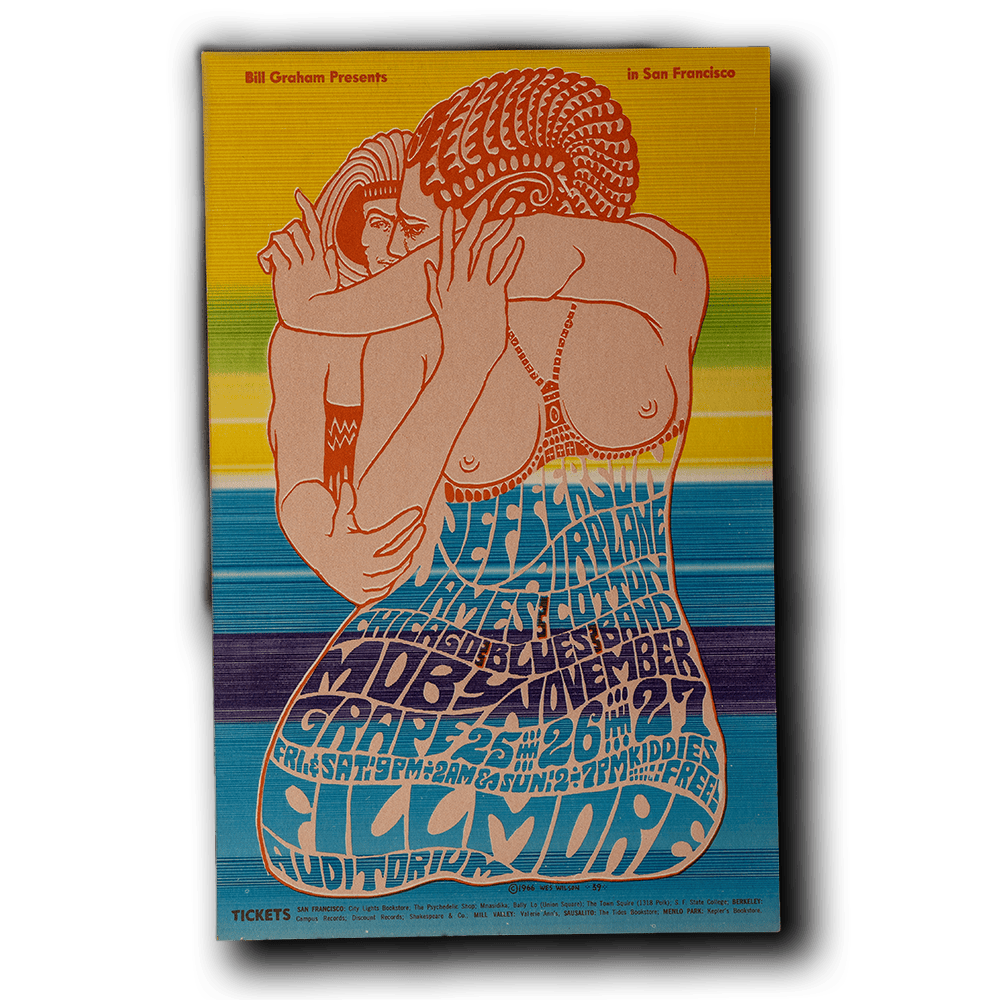
It was at the Fillmore where Graham helped cultivate the psychedelic sound of the 1960s, showcasing bands like Jefferson Airplane, The Grateful Dead, Big Brother and the Holding Company, and Santana — all before they were household names. He also gave platforms to blues legends like B.B. King and Howlin' Wolf, bridging racial and generational gaps with his fearless booking style.
A New Standard for Concerts

Bill Graham wasn’t just a promoter — he was a perfectionist. He demanded high standards for production, sound quality, lighting, and artist treatment. He believed concerts should be experiences, not just shows. His venues weren’t just places to see music; they were cultural melting pots.
He later opened Fillmore East in New York and Fillmore West in San Francisco, turning both into epicenters of the counterculture movement. Under his guidance, rock concerts became more than just musical events — they were immersive, theatrical, and unforgettable.
The Businessman and the Believer
Despite being a shrewd businessman, Graham was known for his deep respect for the artists he worked with. He often took risks on unknown acts because he believed in their talent. He was also politically active, using his influence to support causes like civil rights, anti-war movements, and AIDS awareness.
Graham was never afraid to speak his mind, whether it meant challenging city regulations or confronting bands that didn’t meet his expectations. But his passion for the music and the fans always came first.
"What the world needs now is a little less bullsh*t and a lot more rock 'n' roll."
Bill Graham
A Legacy Cut Short
Tragically, Bill Graham died in a helicopter crash in 1991 while returning from a Huey Lewis and the News concert. His death marked the end of an era, but his influence on the live music industry lives on.
Today, his legacy continues through Bill Graham Presents, which remains a powerful force in concert promotion, and through the memories of the millions who experienced his shows. In 1992, he was posthumously inducted into the Rock and Roll Hall of Fame — a fitting tribute to a man who gave rock music its stage.
Why Bill Graham Still Matters
In the age of corporate festivals and digital streaming, the idea of music as a communal, transformative experience can feel like a relic of the past. But Bill Graham’s vision reminds us that concerts can still be sacred — places where art, politics, and human connection collide.
He didn’t just book bands. He built a movement.
Comments are closed.