


Today we celebrate the birthday of David Gilmour — the guitarist, vocalist, and songwriter whose unmistakable tone helped shape the sound of Pink Floyd during their most influential years. Born March 6, 1946 in Cambridge, England, Gilmour stepped into the band in 1967 at a pivotal moment, just as founding member Syd Barrett began to withdraw from the group. What followed was one of the most remarkable second acts in rock history.
A New Voice for Pink Floyd
When Gilmour joined Pink Floyd, the band was transitioning from the psychedelic swirl of Barrett’s early vision into something broader and more expansive. Gilmour’s arrival brought a distinctive style: lyrical, blues-inflected guitar playing with soaring sustained notes and emotional phrasing that felt almost vocal in its delivery.
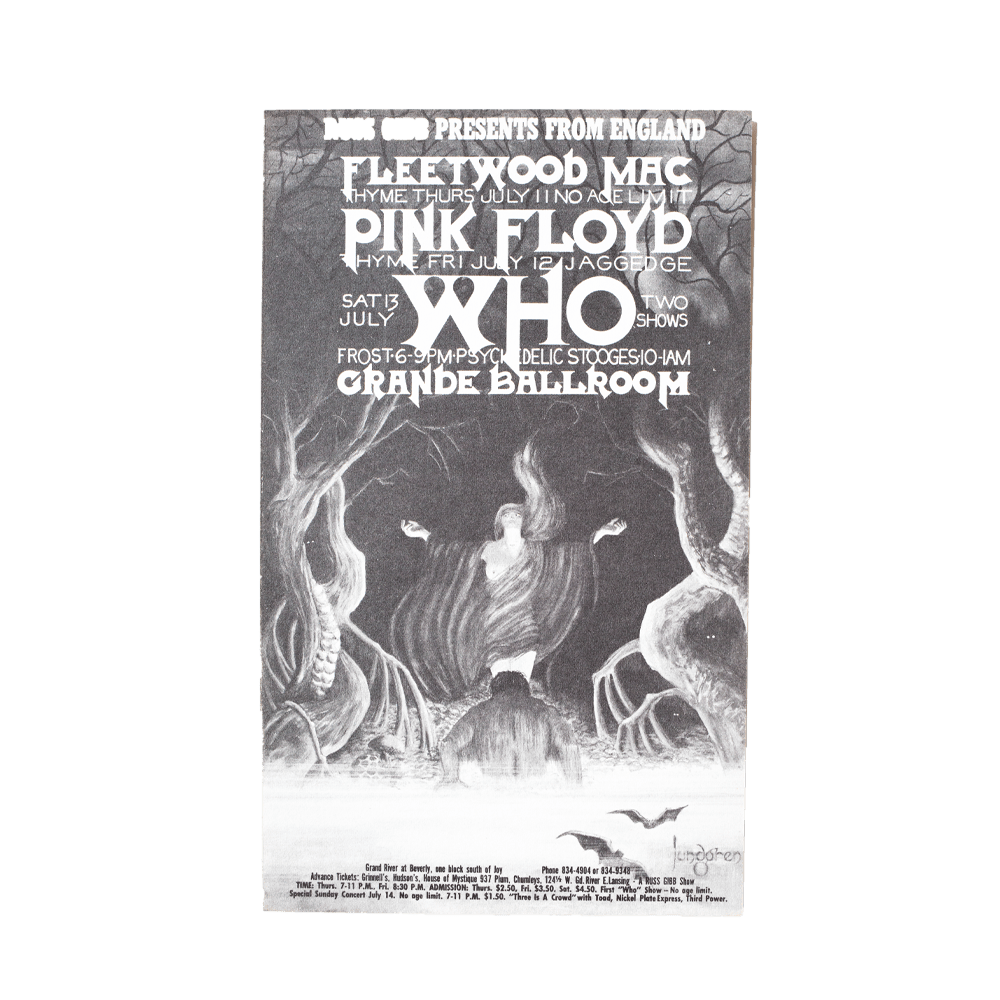
Alongside Roger Waters, Richard Wright, and Nick Mason, Gilmour helped steer Pink Floyd into the era of the grand concept album—records that were as cinematic as they were musical. His voice and guitar became defining elements of landmark works like The Dark Side of the Moon, Wish You Were Here, and The Wall, albums that continue to resonate with collectors and listeners decades later.
Among his many contributions, Gilmour co-wrote songs such as “Comfortably Numb,” “Run Like Hell,” and “Young Lust,” tracks that remain staples of the Floyd canon and some of the most celebrated guitar moments in rock music.
The Sound That Defined an Era
If Pink Floyd’s music often felt like a journey through space and time, Gilmour’s guitar was the guide. His solos were rarely about speed or flash—they were about atmosphere, emotion, and patience. A single note from Gilmour could stretch across a stadium and feel like it carried the entire weight of the song.
That signature tone—often coaxed from his beloved Stratocaster—became one of the most recognizable sounds in rock history. It’s the same sound that echoes through many of the rare books, posters, and collectible ephemera found in the Bynx Pink Floyd collection: artifacts from tours, releases, and cultural moments when Floyd’s music reshaped the possibilities of rock.
Whether it’s vintage concert material, collectible publications documenting the band’s visual world, or ephemera from the era when Floyd’s albums dominated turntables and record stores alike, these pieces capture the period when Gilmour’s guitar lines became part of the cultural landscape.
Carrying the Floyd Legacy Forward
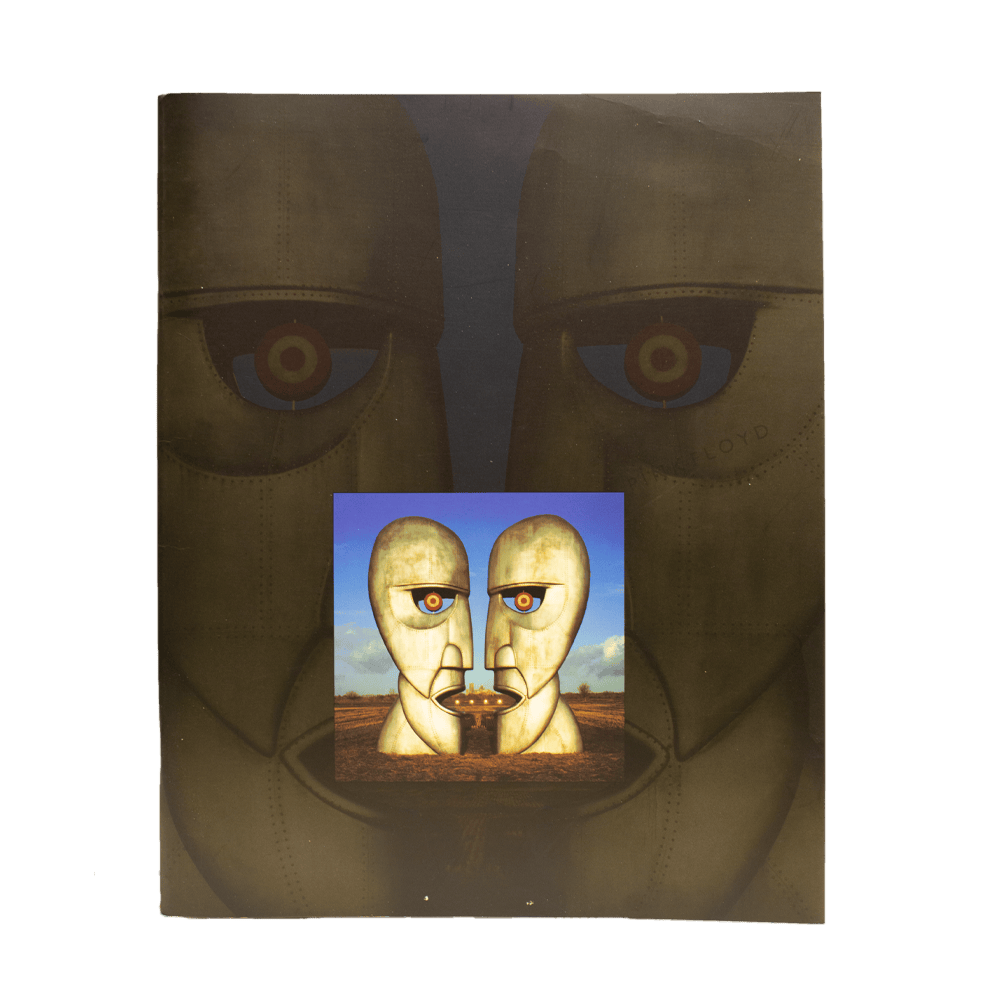
After the departure of Waters in the mid-1980s, Gilmour took on a larger leadership role in Pink Floyd, guiding the band through albums like A Momentary Lapse of Reason and The Division Bell. These releases proved that the Floyd sound—dreamlike, expansive, and unmistakably atmospheric—could continue evolving while still honoring the band’s legacy.
Over time, Gilmour’s playing has become more than just part of Pink Floyd’s identity; it’s become a benchmark for expressive guitar playing itself. Few musicians have managed to combine technical precision with such emotional clarity.
Why Gilmour Still Matters
For collectors and fans alike, David Gilmour represents a moment when rock music reached its most ambitious form—where albums were immersive worlds, concerts were visual spectacles, and a single guitar note could become instantly iconic.
The items in the Bynx Pink Floyd collection serve as tangible reminders of that era. Posters, books, and rare memorabilia preserve the visual and cultural story behind the music—while Gilmour’s playing remains the soundtrack that brought it all to life.
And decades later, those soaring guitar lines still feel timeless.
Happy birthday, David Gilmour!
Comments are closed.