

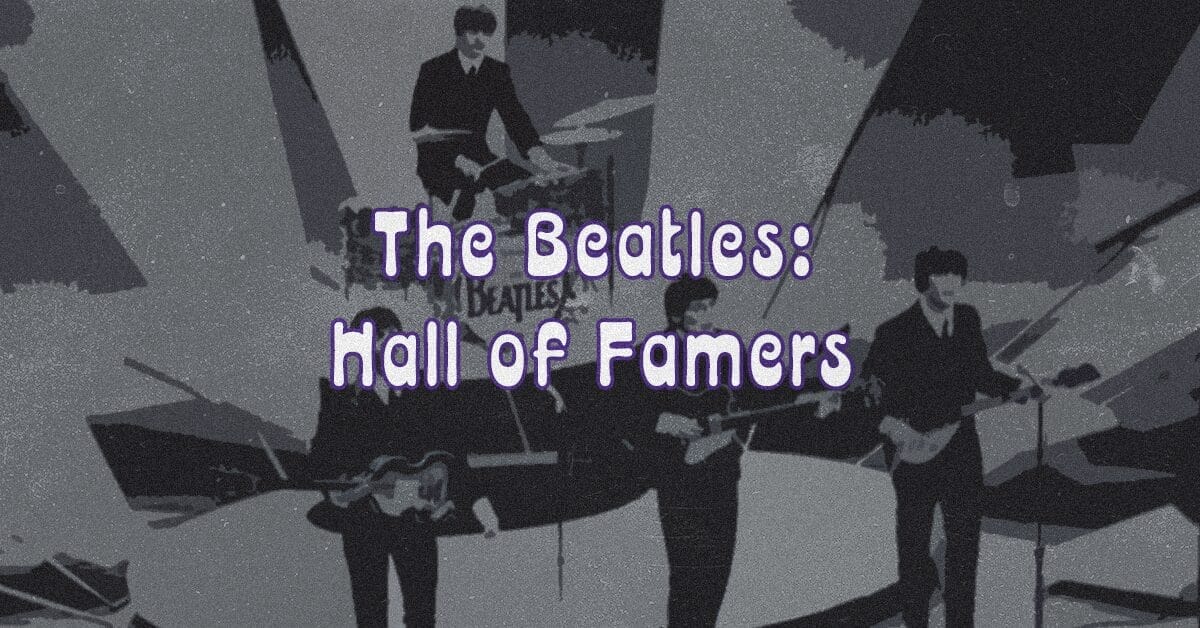
January 20, 1988: The Rock & Roll Hall of Fame recognized what the world already knew — the Beatles’ work had remade popular music. The ceremony, held in New York’s Waldorf Astoria and featuring an induction by Mick Jagger, brought George Harrison and Ringo Starr (and representatives for John Lennon) to accept an honor for a band whose innovations still shape music today. Unfortunately, at that time Paul McCartney was embroiled in a legal dispute with his former band members and passed on the ceremony.
Not Just A Hit Machine
More than hits and hysteria, the Beatles changed how music was made and perceived. They popularized self-contained songwriting in a pop era dominated by professional song-pluggers, expanding lyrical depth and melodic range while fusing rock & roll, R&B, folk, and classical textures. In the studio, the Beatles treated the recording desk as an instrument — pioneering multitrack overdubs, tape loops, unconventional instrumentation, and production techniques. This experimental bent is what made albums like Sgt. Pepper and Revolver milestones in rock artistry. That blend of songwriting craft and studio experimentation is a through-line from the 1960s to modern music.
The Bynx Beatles Collection
The Bynx Beatles collection preserves pieces of that story — artifacts that illuminate how the Beatles’ ideas reached listeners and evolved into cultural practice. The following three samples from the Bynx Beatles Collection capture different facets of their contribution: the performance, the fandom, the songwriting, and the pageantry.
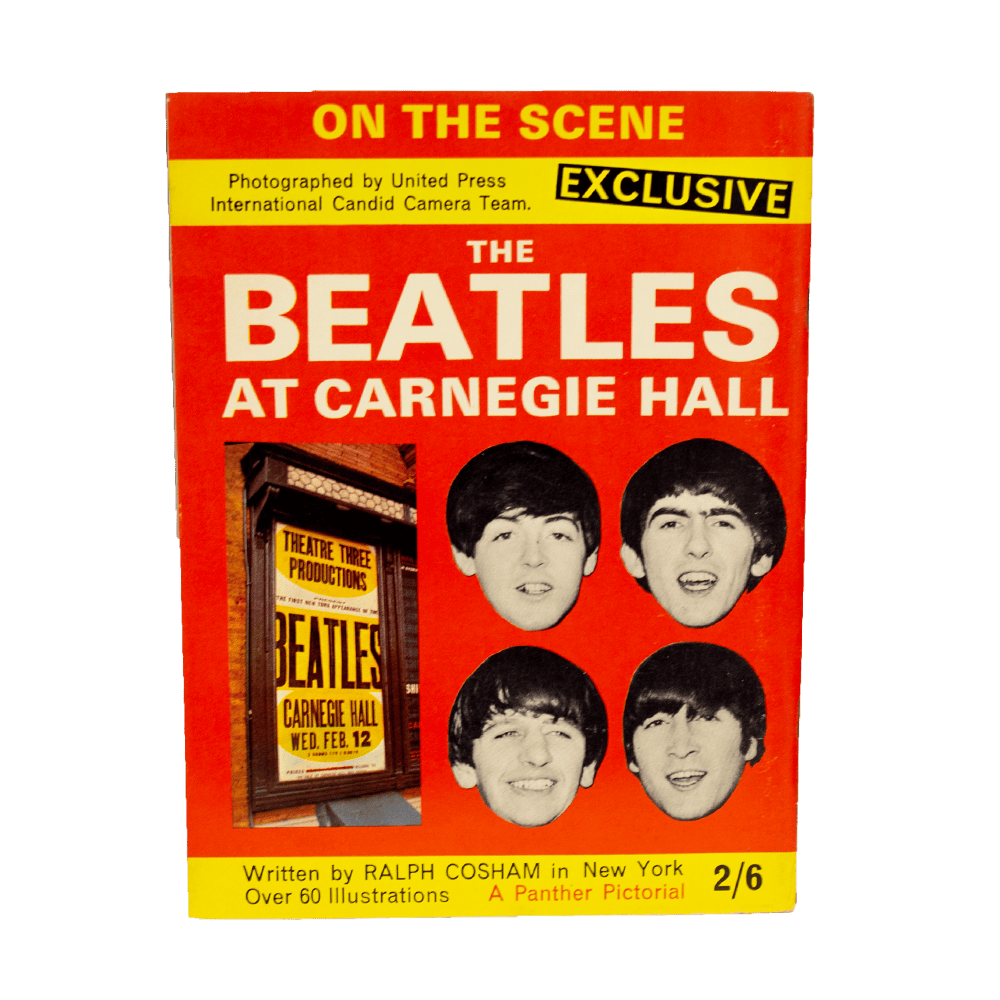
Live at Carnegie Hall (Program): A program from early U.S. appearances that helps tell the story of Beatlemania’s arrival and the band’s role in shifting rock from clubs to concert stages — a practical change that rewrote how artists toured and connected with mass audiences.
1964 “Beatlemaniac” Fan Club Ad (Ephemera): Ephemera like this ad shows how fan culture became a force in itself, shaping promotion, identity, and market power around artists — part of the broader commercialization and fandom economy the Beatles helped ignite.

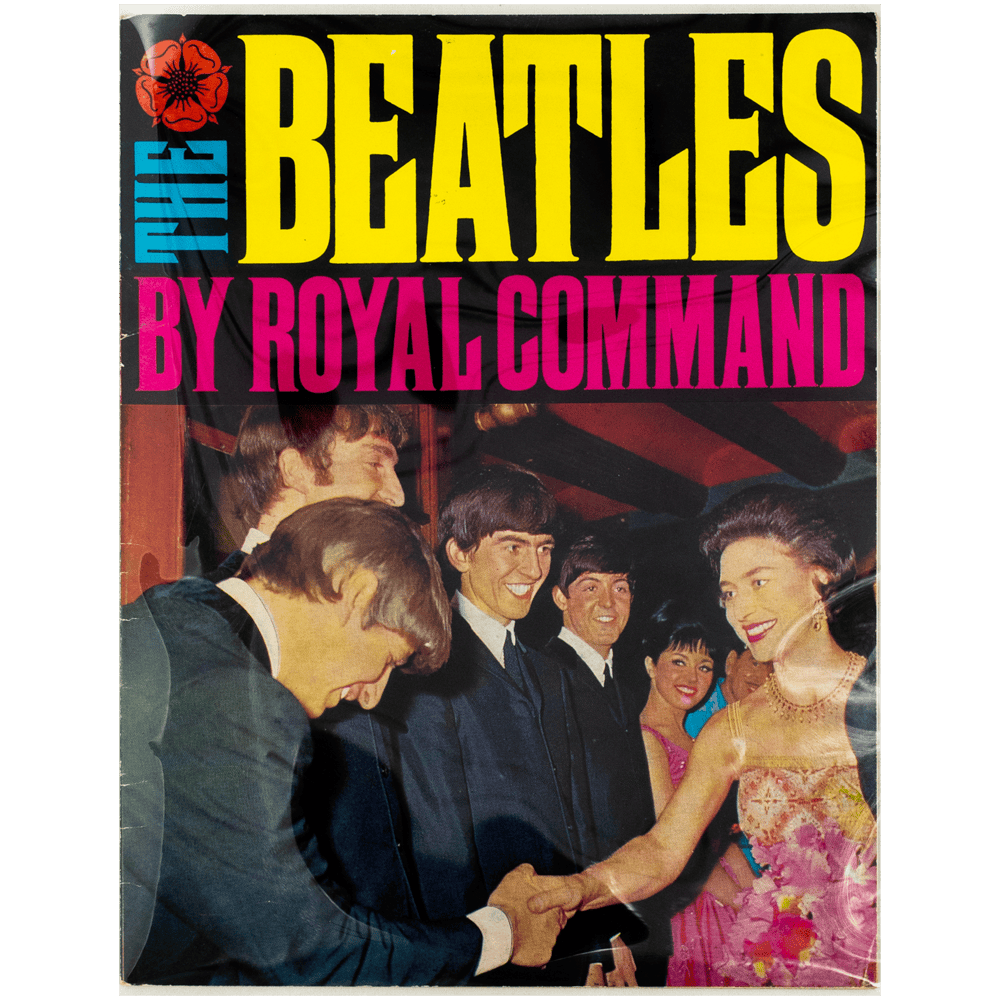
By Royal Command (Program): Programs documenting high-profile appearances underline the Beatles’ cultural reach — from pop entertainers to figures invited into establishments of national ceremony, reflecting how rock music gained prestige and influence.
Going Down In History
The 1988 Hall of Fame induction honored those breakthroughs; the artifacts in the Bynx Beatles collection let you see the evidence up close. Together they show not just what the Beatles sounded like, but how they rewired music business practices, performance formats, studio technique, and fan culture — a legacy still audible everywhere in modern music. Explore these items and more in the Bynx Beatles collection online or by appointment.
Comments are closed.