

For all its convenience and improved access, streaming didn’t just change how we listen to music — it reshaped how we value it. Still, in a twist no one fully predicted, it also sparked a somewhat ironic renewed love for music in its physical form. Step into any modern record store today, and you’ll feel it instantly: the quiet, ongoing rebellion against the intangible.
From Ownership to Access
In 2003, Apple changed the music landscape with the launch of the iTunes Store. For the first time, music fans could legally download songs for 99 cents each. There was no subscription required, no need to buy an entire album. It was revolutionary.
Even more compelling were the freedoms attached: users could burn tracks to CDs, store them across multiple computers, and curate their own libraries in ways that felt personal. It was a bridge between the old world and the new. It was digital, sure, but was still rooted in ownership. Being able to plug a set of headphones into an iPod or similar MP3 player was life changing.
But that bridge didn’t last forever.
The Rise of Streaming — and the Disappearing Collection
Fast forward to today and platforms like Spotify and Apple Music have turned music into something more akin to water than a product. It’s always there, instantly accessible, but rarely held onto.
For listeners, it’s a dream. Millions of songs, curated playlists, algorithmic discovery. But something subtle has been lost: the ritual.
No liner notes.
No artwork in your hands.
No sense of “this is mine.”
Music has become background noise to our modern busy lives — endless, frictionless, and often forgettable.
Why the Record Store Still Matters
This is where the record store re-enters the conversation, not as a relic, but as a response.
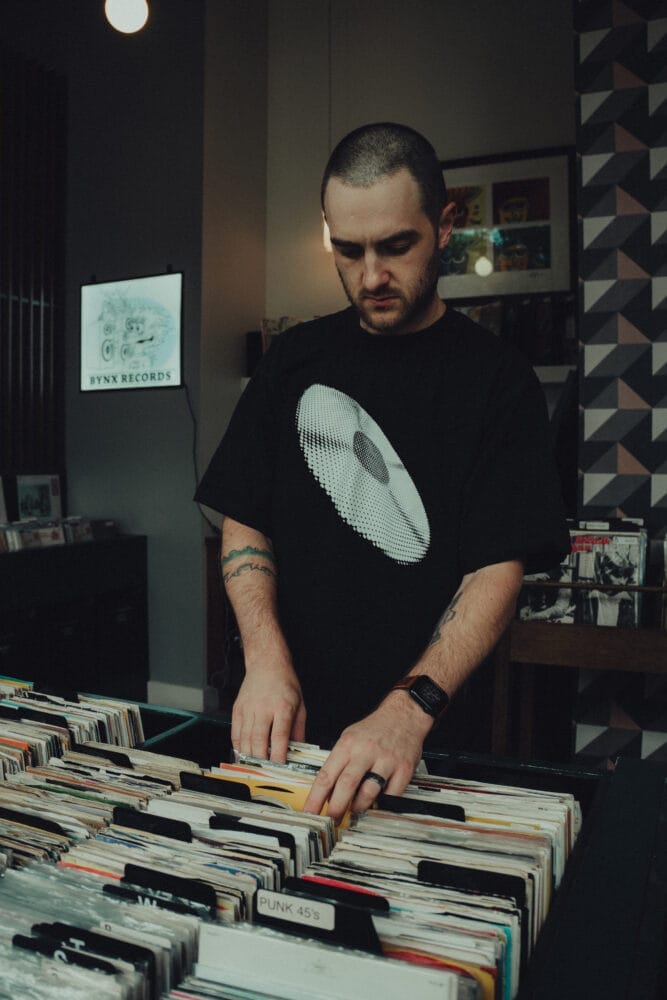
A record store isn’t just a place to buy music. It’s a place to experience it. You can slow life down and flip through vinyl crates, enjoy the album art, look for hidden gems, take a chance on something you've never heard of before. Not to mention being around other human beings, who are engaged in the exact same experience. Maybe you'll pull a record and it'll spark a conversation with the person next to you. Maybe you'll walk by the staff picks section and be inspired by someone else's very real music taste.
The spontaneity and meditative bent of vinyl hunting can't be overlooked. In a record store, music holds weight — both literally and emotionally.
The Tangible Comeback
Vinyl records, CDs, cassettes — even concert ephemera — are no longer just for collectors. They’re becoming cultural anchors for a generation raised on streaming.
Why? Because physical formats offer something streaming can’t: scarcity, presence and intentional listening. You truly value what you have, make space for it on your shelves, and listen one side at a time.
Owning music again feels like reclaiming a piece of identity.
The Record Store as a Cultural Hub
Today’s record store — especially independent ones — has evolved. It’s no longer just retail; it’s community. It’s where a rare pressing sits next to a handwritten note about why it matters. Where a first-time listener stands beside a lifelong collector. Where music becomes a shared language again.
The record store thrives today not in spite of streaming, but because of it. We didn’t abandon physical music media — we just needed to lose it for a while to understand why it mattered in the first place.
Comments are closed.