

On this day in 1969, The Who gave the press an early glimpse into something completely new: an ambitious, strange, and ultimately groundbreaking work called Tommy.
What they previewed wasn’t just another album. It was a fully realized narrative set to music. It was a “rock opera” before that term really meant anything at all.
And from that moment, rock music would never quite be the same.
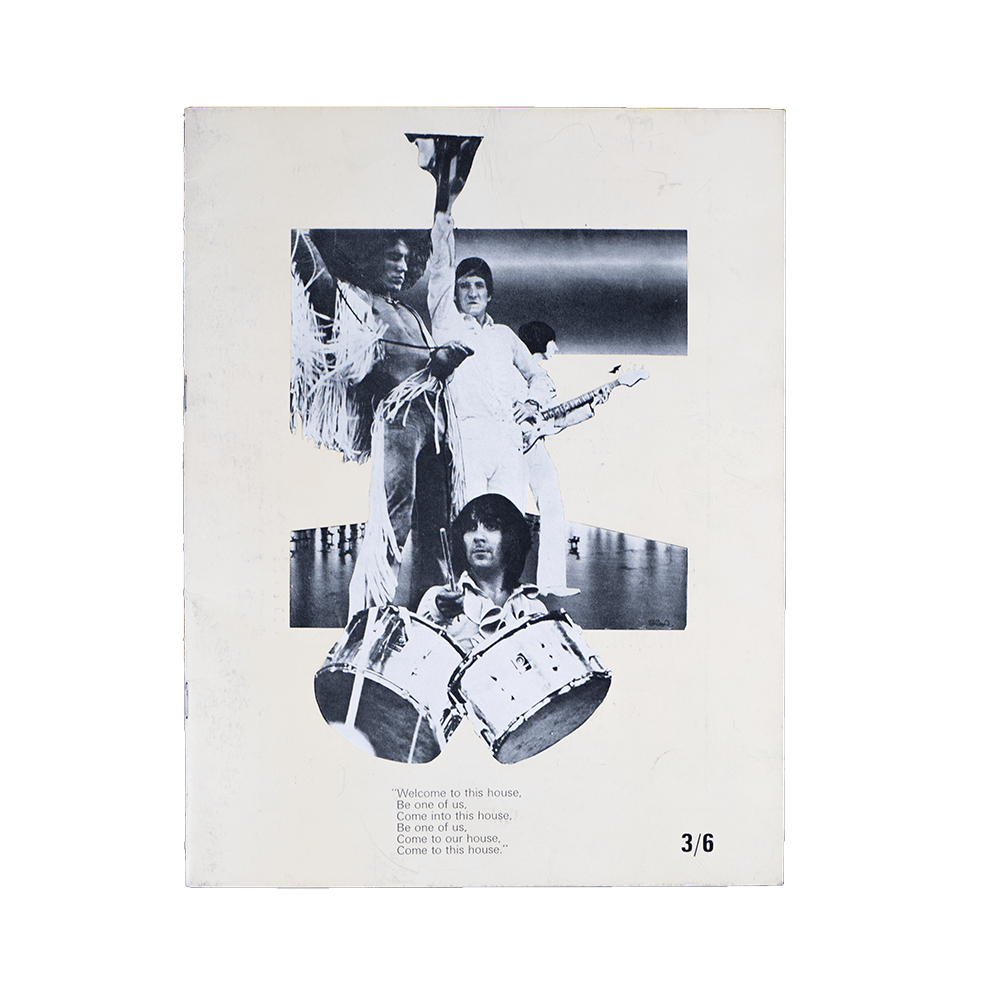
A Deaf, Dumb, and Blind Kid… and a Bold New Idea
Written primarily by Pete Townshend, Tommy tells the story of Tommy Walker, a traumatized boy who becomes deaf, blind, and mute—only to rise later as a kind of spiritual figure. It’s surreal, symbolic, and at times uncomfortable — but that was exactly the point.
At a time when most bands were still thinking in terms of 3-minute songs, Tommy dared to ask: What if an album could be a full story?
Released in May 1969, Tommy became The Who’s breakthrough moment, both critically and culturally.
It wasn’t just the concept that stood out. Tracks like Pinball Wizard and I’m Free proved the band could balance narrative ambition with raw, explosive rock energy. The album’s success launched massive live performances, including legendary appearances at Woodstock and beyond, helping cement The Who as one of the defining bands of their era.
From Stage to Screen: The 1975 Film
If Tommy wasn’t ambitious enough as an album, it didn’t stay confined to vinyl.
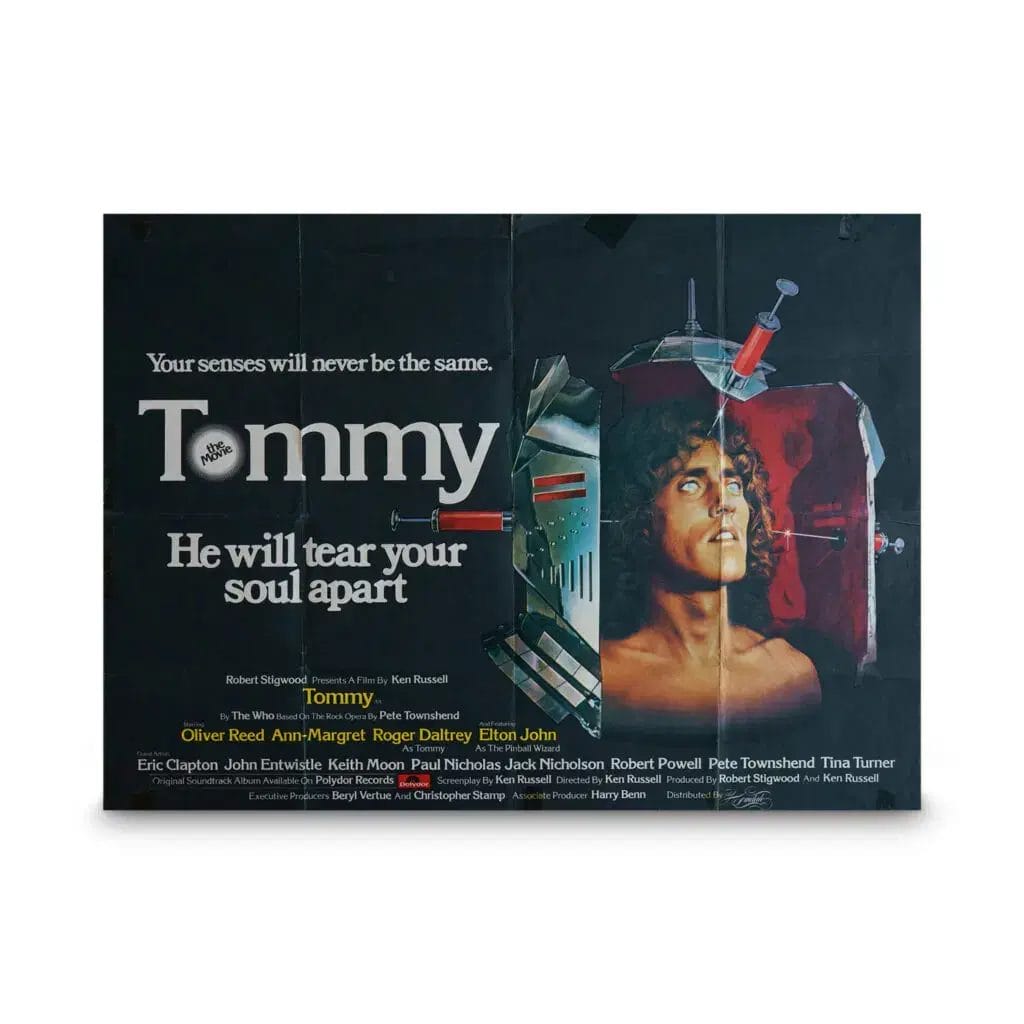
The film leaned into the story’s chaos and symbolism, turning the album into a full sensory experience. It was equal parts rock concert, fever dream, and cultural statement.
In 1975, director Ken Russell brought Tommy to the big screen in a surreal, psychedelic adaptation featuring an all-star cast — including Roger Daltrey in the title role, alongside household names like Elton John and Tina Turner.
Why Tommy Still Matters
Today, the idea of a “concept album” or “rock opera” feels familiar, but in 1969, Tommy was a leap into the unknown.
It helped redefine what an album could be. It could be a narrative, a theatrical experience, even a cultural statement... essentially, a artistic tour de force.
More than five decades later, Tommy still resonates not just because of its songs, but because of its ambition.
Comments are closed.